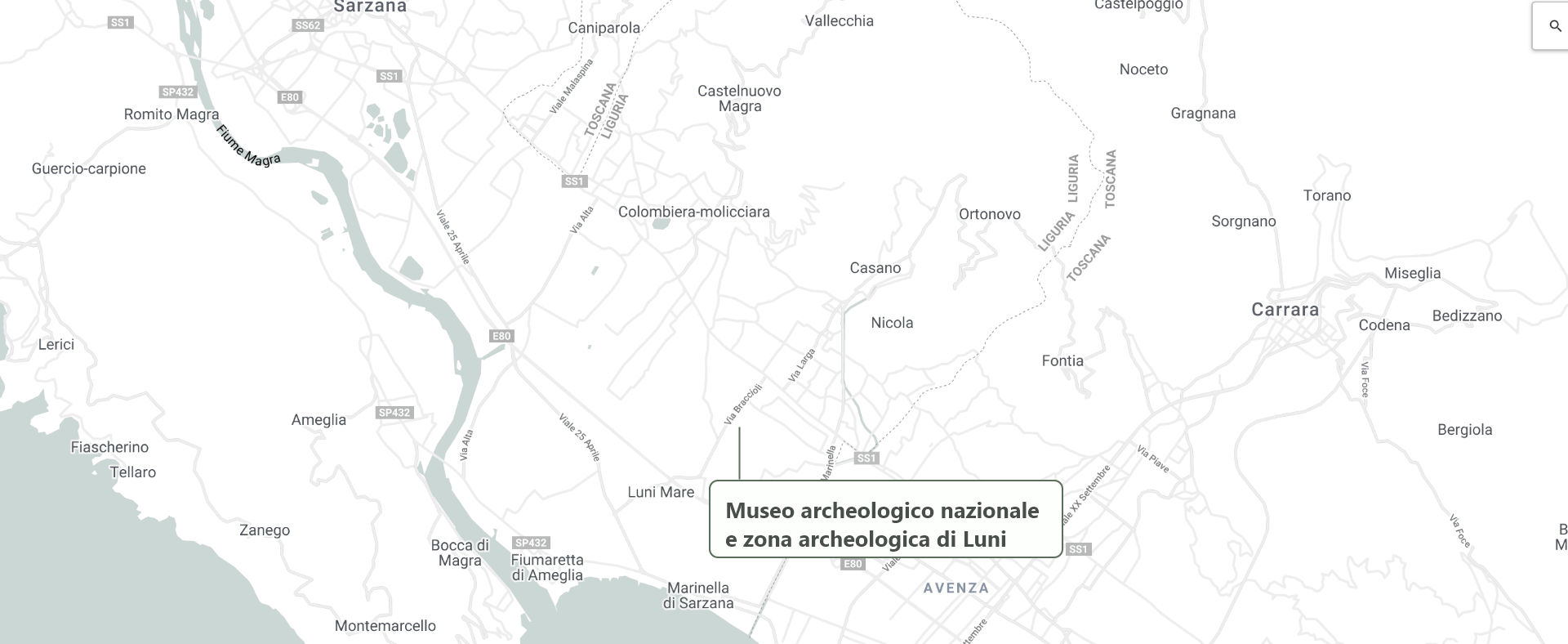
Welcome to Luni!
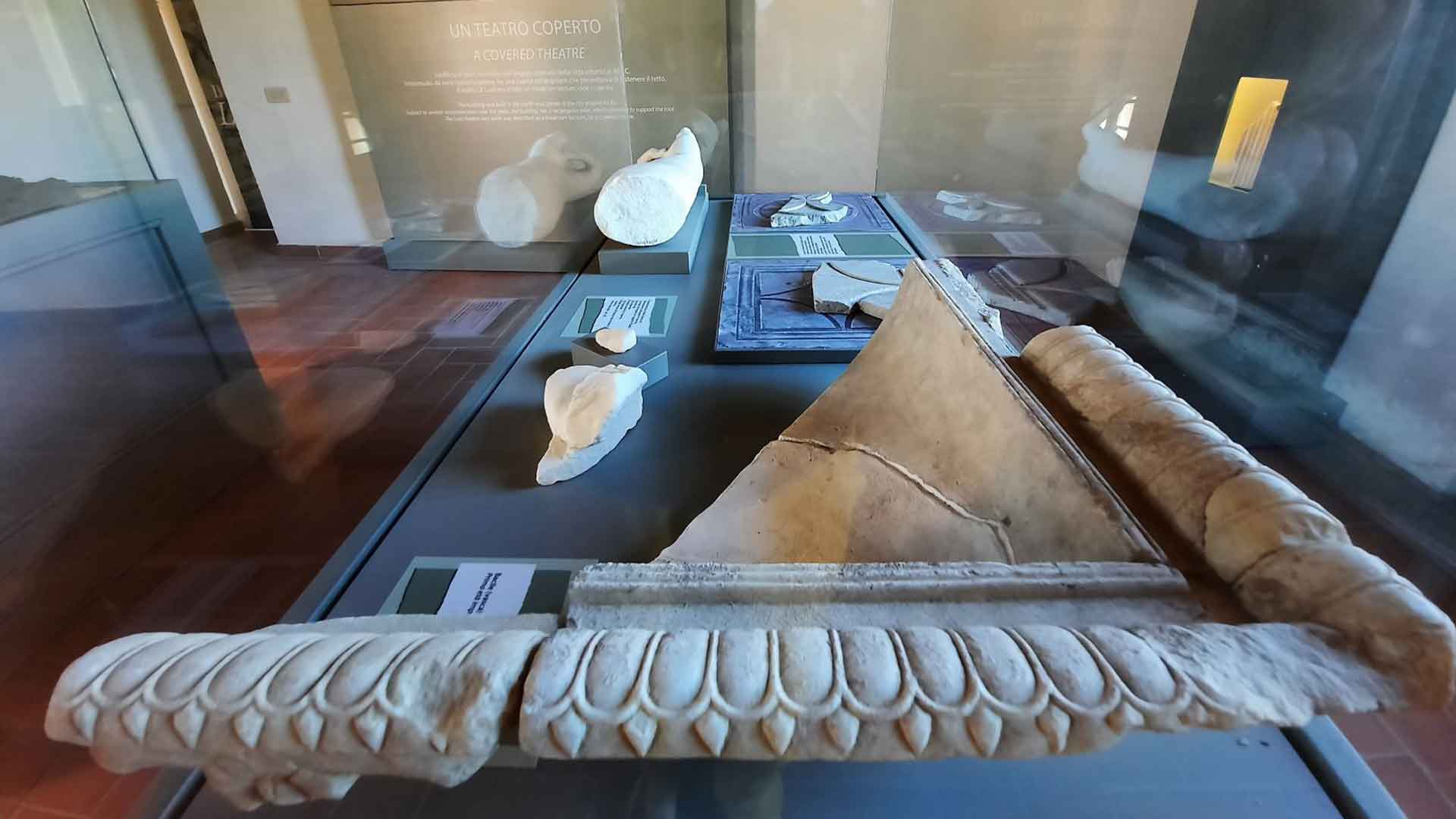
To discover what the ancient city of Luna was like, we suggest starting your visit at the Museum at Casale Gropallo, which features a section dedicated to marble sculptures and the exhibition Il teatro di Luna (The Theatre of Luna). New exhibition rooms dedicated to the ancient Roman city and the history of the local area are currently being prepared and will be completed in 2025.
Passing alongside Casale Gropallo, you can see a huge marble column drum, recovered from the seabed of a bay in Lerici. Continuing along the path, you will reach the Forum area, the true beating heart of the ancient city.
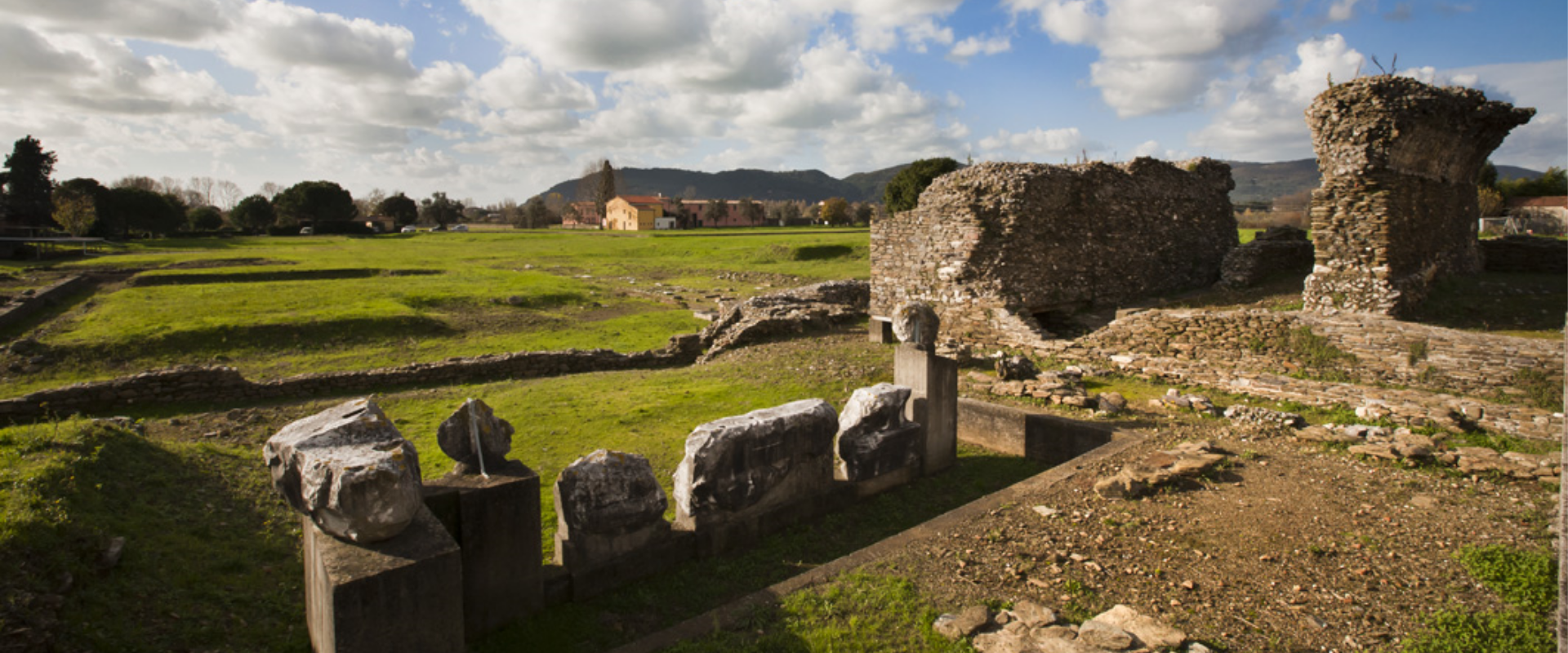
The Roman colony of Luna had a rectangular layout—with a recess on the short side facing the sea—and spanned approximately 24 hectares. It was originally surrounded by walls (the remains of which are no longer visible) and was organized according to the typical Roman town plan, consisting of streets intersecting perpendicularly. From the modern road, which lies about 2 metres higher than the Roman ground level, you can view the remains of the central public area, one of the main thoroughfares, and several public buildings. Luna was a wealthy city gleaming with marble; following its abandonment over the centuries, it was plundered for its precious materials, which were then reused in other towns across the region.
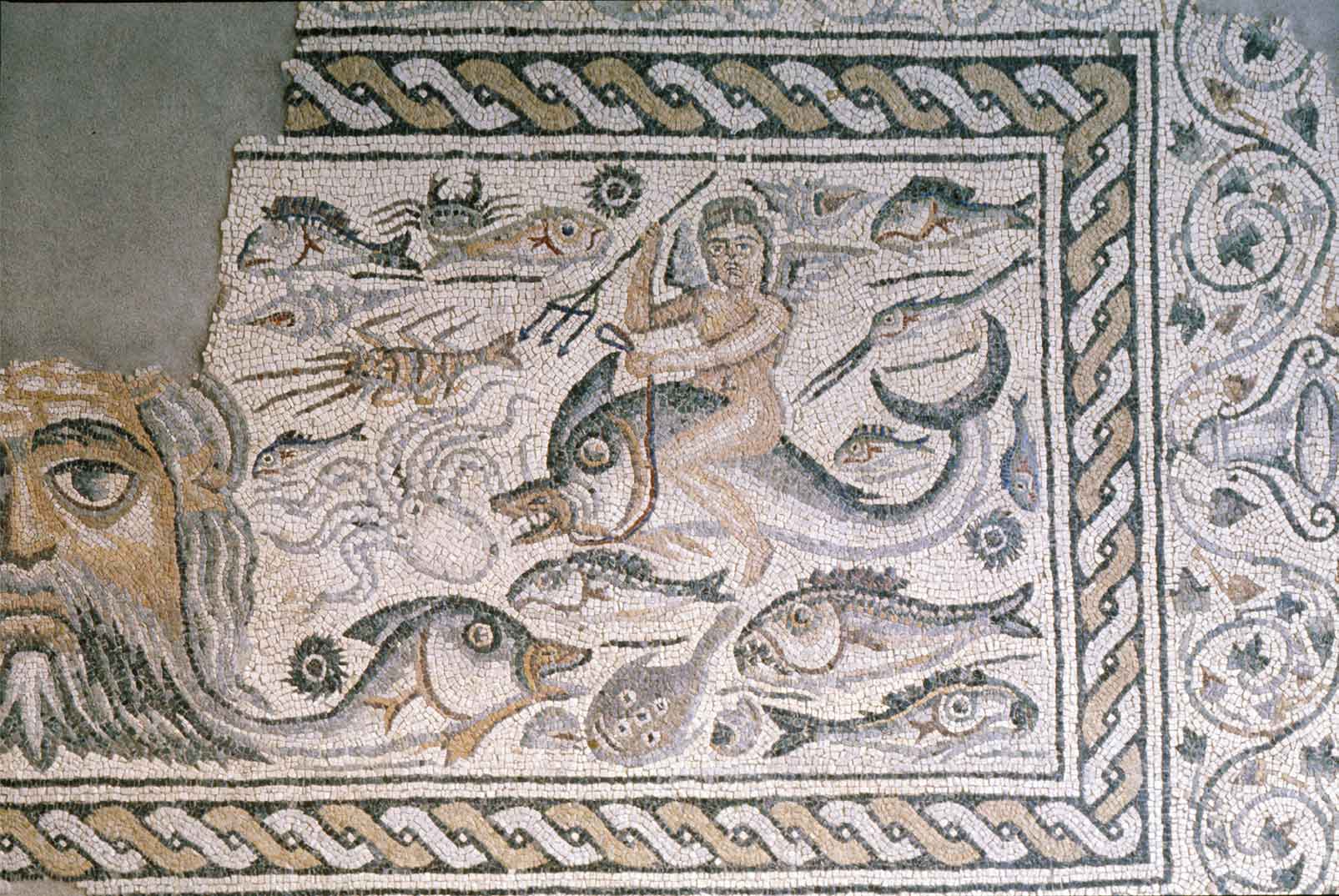
Along the road, you can observe the excavations of the Domus of the Mosaics. The residence has only been partially excavated but is renowned for its mosaic floors, mostly dating back to the 4th century. Archaeological excavations in Luni have brought to light the remains of luxurious private residences. Within the archaeological area, you can see the excavations of the Northern Domus, built during the Augustan age in the area close to the city walls, and the Domus of the Frescoes, a residence adorned with refined painted plaster and featuring three gardens. The artefacts discovered in these houses can be viewed in the section dedicated to private housing inside Casale Caleo, in front of which the mosaics of the Domus of Oceanus are also located.
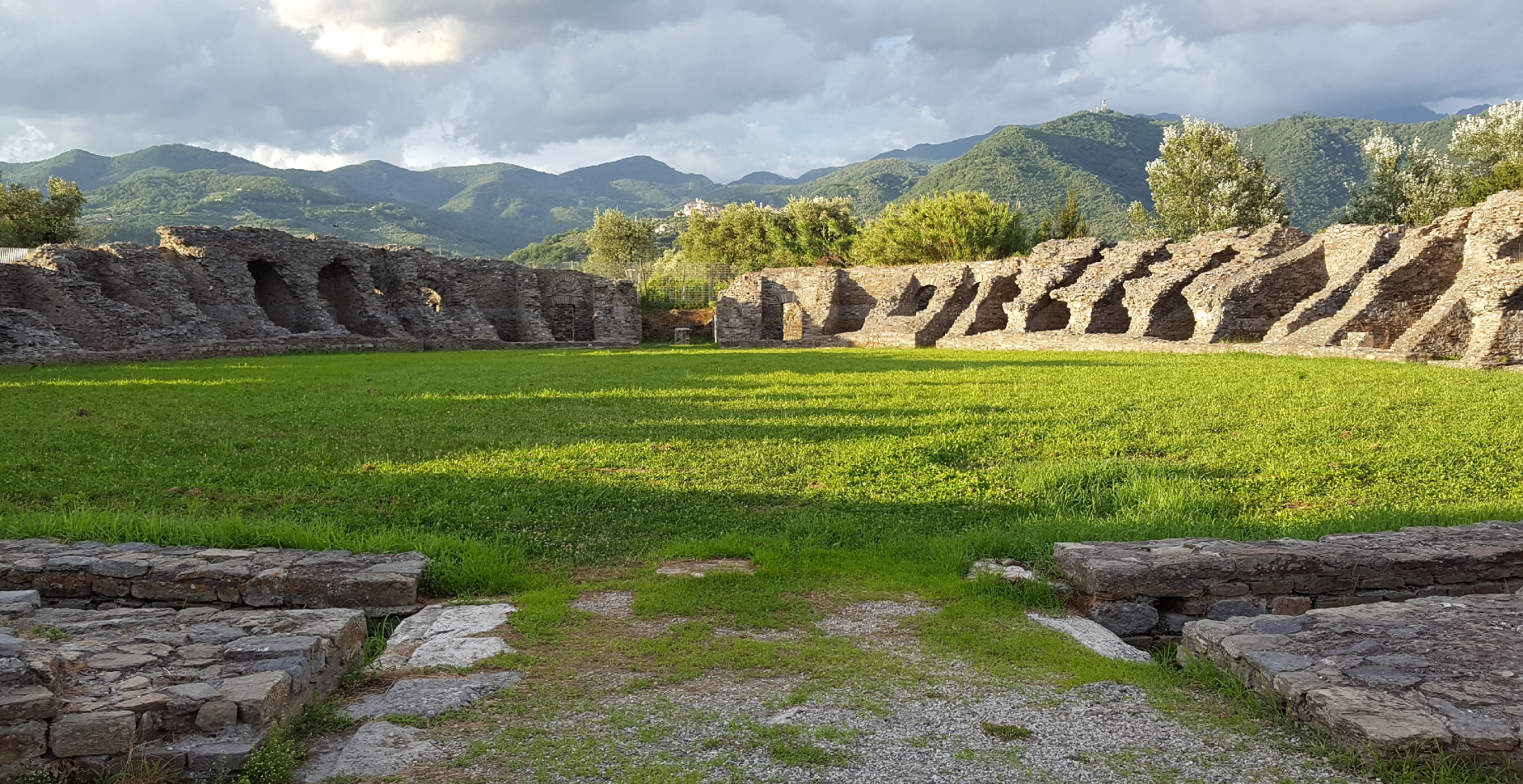
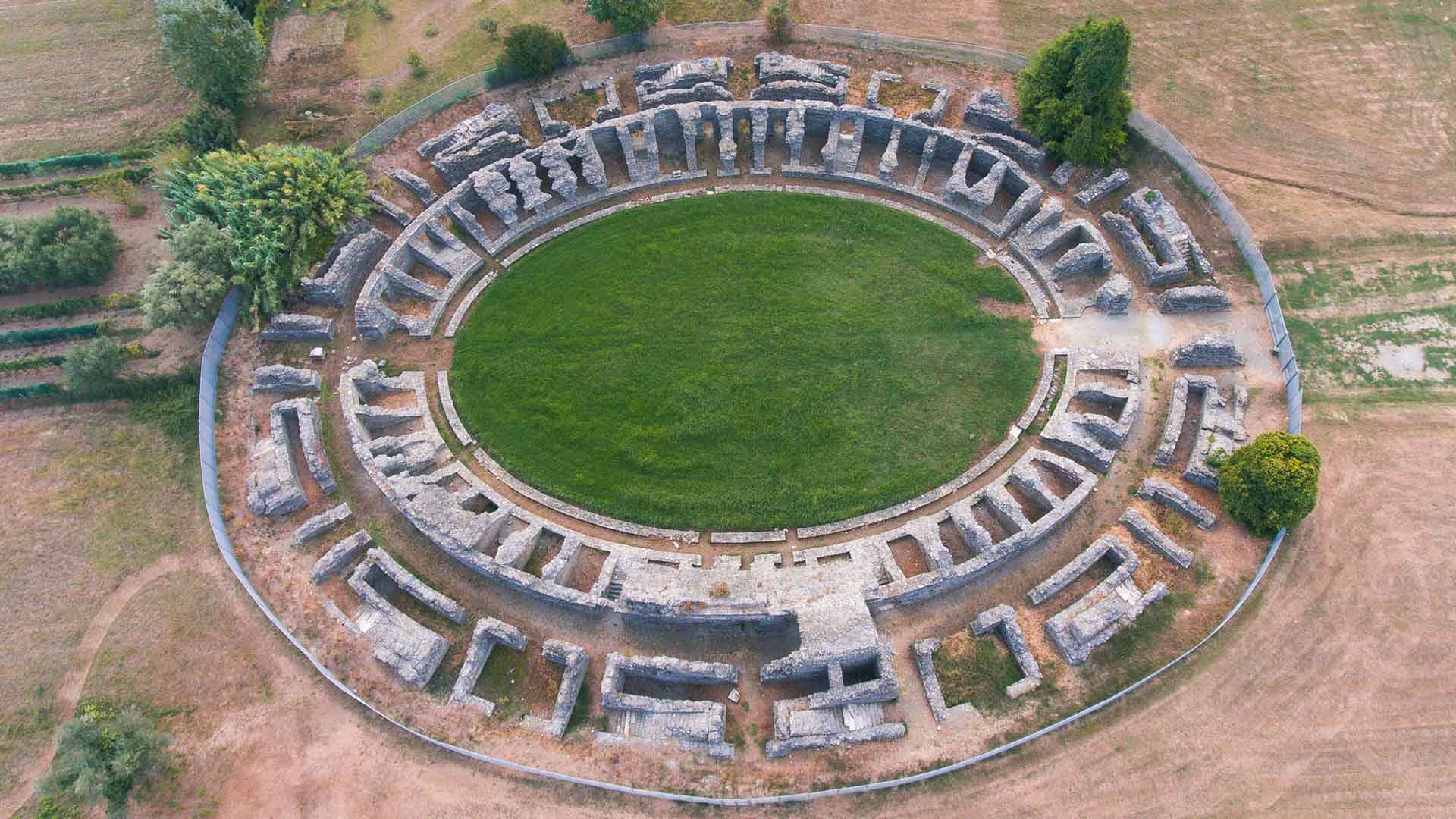
Continuing past Casale Caleo, during opening hours, you can reach and visit the Amphitheatre, located outside the city walls. Along the route, a short detour allows you to observe a提 Mausoleum, a monumental burial site that represents the best-preserved evidence of the necropolises of Luni. The Amphitheatre, designed to host gladiatorial games and spectacles, could accommodate an audience of 7,000 people from across the region. The building is the best-preserved among those of the ancient city, still striking visitors today with its elliptical layout. From archaeological investigations, we know that its appearance must have been majestic due to the presence of upper storeys, now lost, and the use of premium materials.
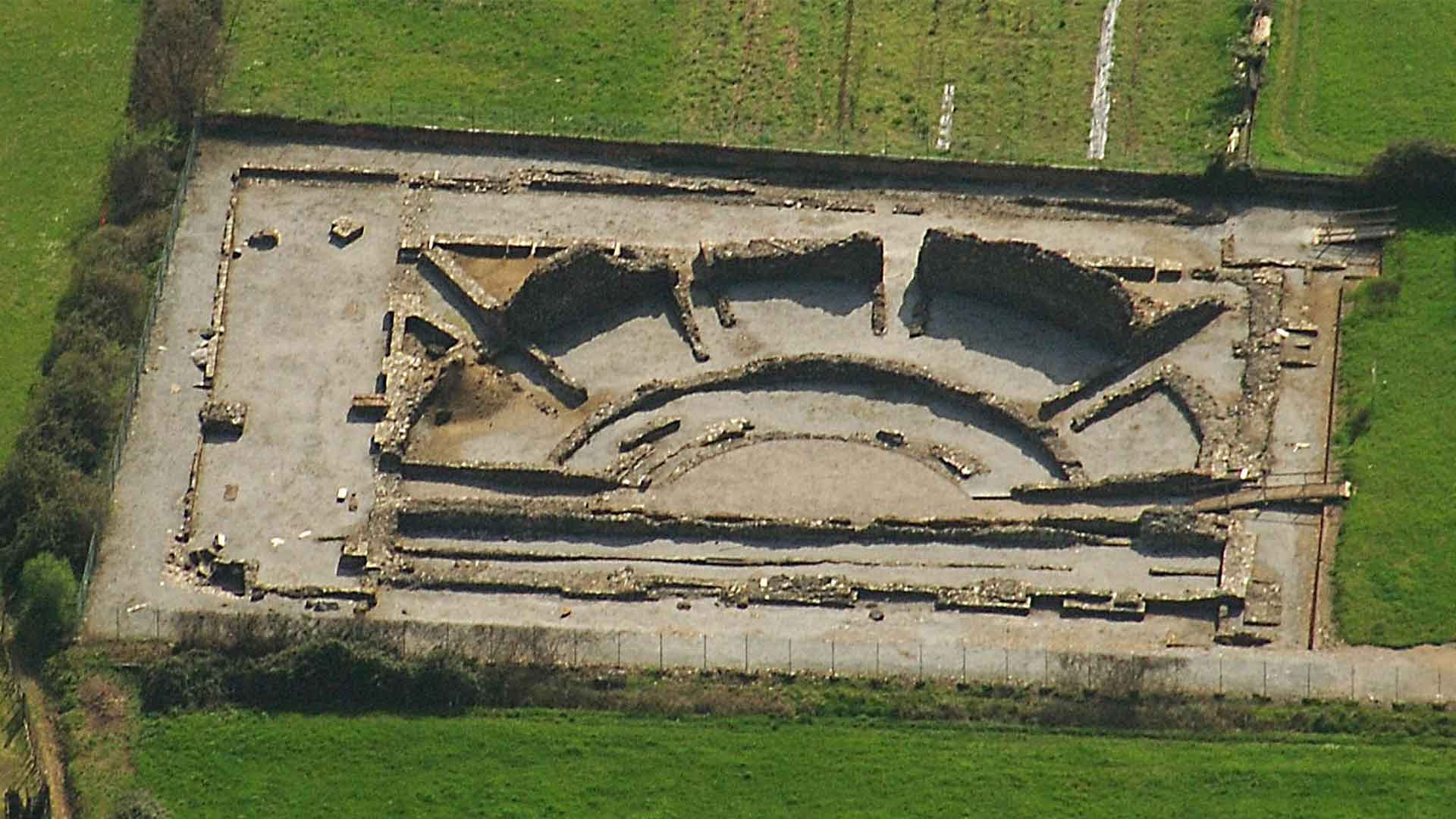
Heading back from the Amphitheatre and turning right, you can reach the Theatre. Built in the north-east corner of the city, it featured a roof and was intended for readings and musical performances. To learn more about this public monument, we also recommend visiting the exhibition set up in Casale Gropallo.
The route continues back towards Casale Fontanini, which houses the epigraphs—written texts inscribed on various supports, predominantly marble slabs. These important records are arranged chronologically and by text type: sacred, honorary, administrative, and funerary.
You then reach the area of the Temple of the goddess Luna, a sacred building dedicated to the deity who gave the city its name. The nearby museum section at Casale Maurino displays artefacts found in this sanctuary.
Heading back, you can descend into the Forum area, where the area of the Tabernae is immediately visible on the right. This zone has only been partially excavated and has yielded the remains of eight commercial spaces.
At this point, you can also observe the main street system. The Decumanus Maximus was the main thoroughfare crossing the entire city from east to west: as you walk on the large stone blocks, you can imagine the continuous passing of chariots; two marble bases designed to narrow the width of the roadway are still visible. Perpendicular to the Decumanus, we find the Cardo Maximus, which in its southern section—the only part explored so far—was reserved for pedestrian traffic and lined with porticoed pavements. Beneath the road ran the cloaca maxima, the drainage system that collected waste, which is partially visible today.
To the north of the Forum—a large square measuring 77x37 metres, originally paved in marble (now largely covered by lawn)—lie the remains of the Capitolium, a sacred building dedicated to Jupiter, Juno, and Minerva. Alongside it was the Civil Basilica, where justice was administered and commercial transactions took place.
The abundance of marble in Luni is documented by a Late Antiquity wall built using Roman statues and sculptures, visible in the area north of the Basilica. This is an example of the reuse of precious material in the construction of a nearby domus. In the area south of the Forum, a porticoed area embellished with fountains and statues has been identified. Finally, to the east of the ancient square lies the area of the so-called Temple of Diana.
THE SUGGESTED ROUTE IS INDICATIVE: YOU MAY ALSO EXPLORE THE ARCHAEOLOGICAL AREA FOLLOWING DIFFERENT ITINERARIES.
We thank you for your visit and invite you to share your photos on social media using the hashtags #museoluni #anticaluni